

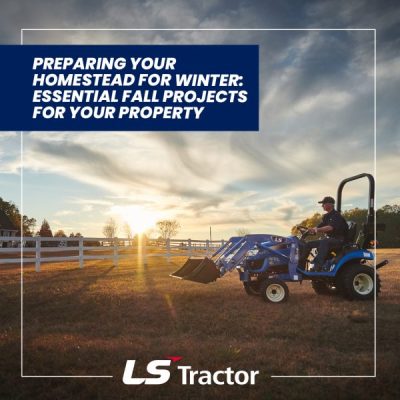
Preparing Your Homestead for Winter: Essential Fall Projects for Your Property
As temperatures drop and the growing season winds down, preparing your homestead for winter becomes a priority. From maintaining access roads and improving drainage to clearing overgrown fields and moving firewood, fall is an ideal time to tackle outdoor projects before freezing temperatures, snow, and ice arrive. A little planning now can help protect your property, reduce winter maintenance, and make spring cleanup easier.
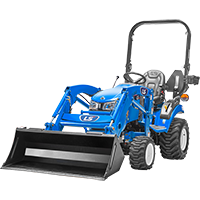
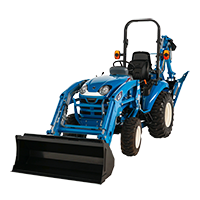
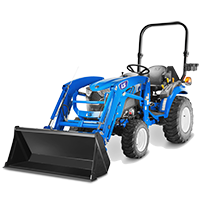
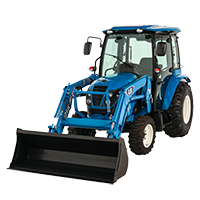
For small-acreage owners and homesteaders, a compact tractor can make many of these seasonal tasks more manageable. With the right attachments, you can grade driveways, move materials, maintain pastures, clear vegetation, and address problem areas around your property. Whether you manage a few acres or a larger rural property, this fall property maintenance checklist will help you prioritize important projects and use your tractor to prepare your homestead for the colder months ahead.
Why Fall Is the Best Time to Prepare Your Homestead for Winter
Fall offers a valuable window to complete outdoor maintenance before frozen ground, snow, and ice make certain projects more difficult. Taking care of these tasks early can help prevent small problems from becoming bigger headaches during winter.
Start by walking your property and identifying areas that need attention. Look for low spots where water collects, ruts along driveways, overgrown fence lines, drainage ditches filled with leaves, and areas where fallen branches or dead vegetation could create problems. Check frequently used paths, barn entrances, gates, and equipment storage areas to make sure they will remain accessible in wet or snowy weather.
It is also a good time to organize firewood, move supplies closer to barns or outbuildings, and clear areas around structures. A well-maintained property is easier to navigate when daylight hours are shorter and outdoor work becomes less convenient.
The goal is not to complete every possible project before winter. Instead, focus on improvements that protect your land, support daily chores, and make your property safer and easier to maintain throughout the season.
Tractor Projects to Prepare Your Homestead for Winter
A compact tractor can help simplify many of the larger jobs on your fall to-do list. Depending on your property, equipment, and attachments, consider prioritizing these four tractor projects before winter weather sets in.
-
Grade Your Driveway and Repair Ruts
A driveway that looks manageable in dry fall weather can become muddy, uneven, or difficult to navigate after repeated freeze-thaw cycles. Water that collects in ruts and low spots can contribute to erosion and leave you with more repairs to handle in spring.
Use a box blade to maintain gravel driveways, redistribute material, and address shallow ruts. A properly adjusted box blade can help pull loose gravel into low areas and smooth the surface. For longer driveways, focus on maintaining a suitable crown or cross-slope so water can drain away rather than pool along the driving surface.
A rear blade is another useful option for moving gravel and shaping driveway edges. It can also help maintain access lanes around barns, sheds, and other frequently visited areas.
Fall tip: Address drainage problems as part of driveway maintenance. Simply filling a rut without correcting the underlying water issue may leave you repeating the same repair next year.
-
Improve Drainage Before the Ground Freezes
Good drainage is one of the most important parts of preparing a homestead for winter. Standing water near a home, greenhouse, or equipment shed can create muddy access points, contribute to erosion, and cause problems when temperatures fluctuate around freezing.
Walk your property after a rainstorm to identify where water travels and where it collects. Clear leaves and debris from drainage channels, inspect culverts, and look for areas where runoff crosses driveways or flows toward buildings.
A loader can help move soil, gravel, and other materials needed for minor grading and drainage improvements. A box blade can help reshape suitable areas and smooth disturbed ground. More involved projects, such as installing drainage systems or changing the flow of water near structures, may require specialized equipment or professional assistance.
Important: Plan drainage improvements so water flows toward appropriate outlets without flooding neighboring properties, damaging streams, or causing new erosion problems. Check local requirements before altering waterways or drainage routes.
-
Clear Overgrown Areas and Maintain Pastures
Fall is also a good time to clean up fields, pasture edges, trails, and fence lines. Tall weeds, brush, and dead vegetation can make it harder to inspect fencing, access gates, and identify obstacles around your property.
A rotary cutter can help maintain suitable grassy areas and manage certain types of weeds and light brush, depending on the cutter’s specifications and the vegetation involved. Clearing these areas in fall can improve access for winter chores and make it easier to assess the condition of your land.
Before mowing, walk the area to identify rocks, stumps, wire, and other hidden obstacles. Follow the rotary cutter manufacturer’s guidelines for vegetation size, operating conditions, and safe use.
Avoid cutting desirable wildlife habitat unnecessarily. Leaving selected areas of native grasses, seed heads, and beneficial vegetation standing can provide winter cover and food for wildlife while still allowing you to maintain essential access routes.
-
Move Firewood, Feed, and Winter Supplies
Winter preparation involves more than maintaining the land. Homesteaders also need to make sure essential supplies are accessible when snow, ice, or muddy conditions make daily chores more challenging.
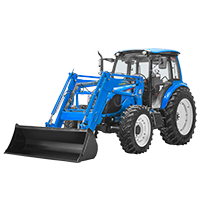
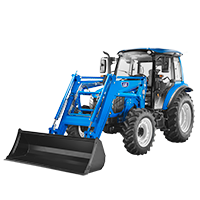
A front-end loader can help transport firewood, gravel, bedding, feed, and other materials around your property. Use it to organize supplies near designated storage areas, maintain access to barns and sheds, and move materials before winter weather limits your options.
Plan ahead for the supplies you use most often. Keep frequently needed materials in accessible locations, maintain clear routes to livestock areas, and make sure firewood is stored according to safe practices with appropriate ventilation and clearance from buildings.
When using a loader, keep loads within the tractor’s rated capacity, carry materials low while traveling, and follow the operator’s manual for stability, ballast, and safe operation.
Fall Property Maintenance Checklist for Small-Acreage Owners
If you are not sure where to start, use this fall property maintenance checklist to organize your work. Walking the property before temperatures drop can help you identify the jobs that deserve attention first.
Use this checklist as a starting point and adjust it to your acreage, climate, and property needs:
- Inspect and maintain driveways. Fill problem areas, redistribute gravel, and improve drainage before winter precipitation arrives.
- Check drainage paths. Clear leaves and debris from ditches, culverts, and suitable drainage channels.
- Trim vegetation. Mow appropriate fields and access areas, and clear overgrowth that blocks gates, trails, or fence inspections.
- Inspect fences and gates. Repair damaged sections and make sure livestock enclosures and access points are ready for winter.
- Prepare barns and outbuildings. Clear entrances, move supplies into storage, and check access routes for mud or standing water.
- Organize firewood and winter supplies. Move materials where they will be convenient to access while keeping storage areas safe and orderly.
- Clear storm debris. Remove fallen branches and other obstacles from roads, trails, and frequently used areas.
- Protect equipment. Clean implements, inspect for wear, lubricate components as directed, and store equipment according to the manufacturer’s recommendations.
- Plan for snow and ice. Identify the areas that must remain accessible, including entrances, driveways, livestock shelters, and paths to essential utilities.
- Review spring projects. Make note of larger repairs or improvements that cannot reasonably be completed before the ground freezes.
Completing the highest-priority tasks first can save time and help you avoid scrambling to make repairs when winter weather arrives.
Essential Fall Land Improvements Before the Ground Freezes
Some property improvements are easier to complete when the ground is workable and conditions allow equipment to operate safely. If you have larger projects planned, fall may be your last practical opportunity to address them before winter.
Repair Erosion and Uneven Ground
Heavy rain can wash soil away from slopes, trails, and driveway edges. Inspect these areas for exposed roots, small gullies, and places where runoff is carrying gravel or soil downhill.
A box blade or loader can help with suitable grading and material-moving tasks. However, avoid working saturated soil, which can lead to compaction, rutting, and additional damage. For steep slopes or serious erosion, consider whether professional help or a more comprehensive stabilization plan is needed.
Maintain Access Roads and Trails
Rural property owners often rely on private roads and trails to reach woodlots, pastures, storage buildings, and other parts of the property. Uneven surfaces and overgrown edges can become more difficult to manage in wet or snowy weather.
Use a rear blade or box blade to maintain suitable gravel surfaces, smooth minor irregularities, and help direct water away from travel routes. A rotary cutter can maintain appropriate vegetation along trail edges, improving visibility and access.
Prioritize the routes you use for daily chores and emergency access. You may not need every trail in perfect condition, but the areas essential to your routine should be ready for winter.
Prepare Garden and Greenhouse Areas
Even when the growing season slows, gardens and greenhouses still benefit from seasonal maintenance. Clear spent annual plants where appropriate, remove diseased plant material, and organize compost, mulch, and other supplies. Check paths and surrounding ground for places where water collects.
A loader can move compost, mulch and soil, while a box blade can help maintain suitable access paths and work areas. Avoid unnecessary tillage or driving over wet garden soil, especially where you want to preserve soil structure for spring planting.
For homesteaders planning to expand food production next year, fall is also a useful time to evaluate garden access, storage areas, and the layout of growing spaces.
How to Use Tractor Attachments & Implements for Seasonal Maintenance
The right tractor attachment can make seasonal maintenance more efficient, but each implement serves a different purpose. Choosing the right tool for the job helps you complete projects more effectively while avoiding unnecessary wear on your equipment or property.
Box Blade: Driveway and Ground Maintenance
A box blade is useful for maintaining gravel driveways, redistributing material, and smoothing certain uneven surfaces. Its cutting edges and scarifiers can help loosen compacted material before it is redistributed, depending on the conditions and attachment setup.
Use it to address shallow ruts and maintain suitable surfaces around driveways, storage areas, and access lanes. For best results, work in manageable passes and avoid trying to move too much material at once.
Front-End Loader: Moving Materials and Clearing Debris
A front-end loader is a versatile tool for fall cleanup. It can help move gravel, soil, compost, firewood, and other materials, as well as assist with clearing loose debris from work areas.
It is particularly useful when you need to move supplies between different parts of your property. Always account for the weight and position of the load, use appropriate ballast, and follow the tractor and loader operating instructions.
Rear Blade: Maintaining Driveways and Access Roads
A rear blade can help spread gravel, shape suitable surfaces, maintain driveway edges, and move loose material. Its adjustable angle allows you to direct material to one side, making it useful for certain grading and cleanup tasks.
Depending on your climate and equipment setup, a rear blade may also serve as a winter maintenance tool for suitable snow-clearing applications. Check the implement manufacturer’s recommendations and your tractor’s operating guidance before use.
Rotary Cutter: Managing Grass and Light Brush
A rotary cutter helps maintain fields, pasture edges, and other areas where vegetation growth needs to be controlled. Fall mowing can make fence inspections and property access easier, but it is important to match the cutter to the vegetation and leave beneficial habitat where practical.
Before starting, inspect the work area, confirm that guards and safety equipment are in place, and follow all recommended operating procedures.
Remember: Not every compact tractor or attachment is suited to every task. Verify horsepower requirements, implement compatibility, lift capacity, ballast needs, and operating limits before beginning a project.
Make Winter Preparation Part of Your Homestead Routine
Preparing your homestead for winter does not have to mean completing every outdoor project before the first frost. A thoughtful approach helps you focus on the improvements that will make the biggest difference in safety, access, and day-to-day maintenance.
Start with drainage, driveways, and essential access routes. Next, address vegetation, fences, storage areas, and winter supplies. If time and weather allow, take care of larger land improvements before frozen or saturated ground makes the work more difficult.
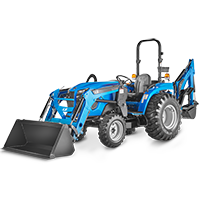
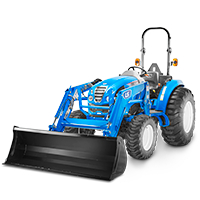
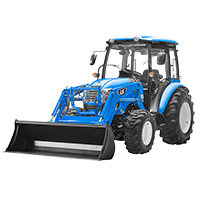
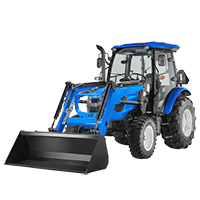
LS Tractor offers a variety of machines, that when equipped with the right implements, can help homesteaders manage these seasonal projects, from maintaining gravel driveways with a box blade to moving supplies with a loader and keeping suitable areas clear with a rotary cutter. With a little planning in the fall, you can head into winter with a more organized property and a clearer plan for the season ahead.
Winter may slow down some outdoor projects, but it also provides an opportunity to plan improvements for the coming year. Take stock of what worked, note the areas that need attention, and use the quieter months to prepare for another productive season on your homestead.
Published on October 29, 2026 and written by Kimberly Steele