

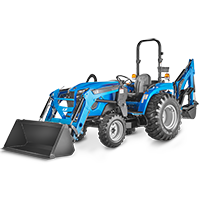
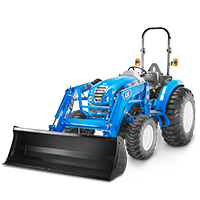
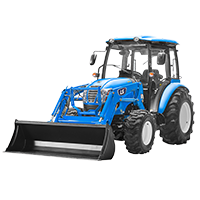
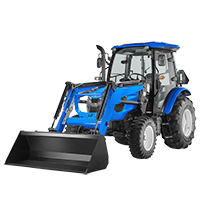
Tractor Implement and Attachment Maintenance Tips: Protect Your Investment and Maximize Performance
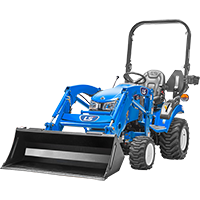
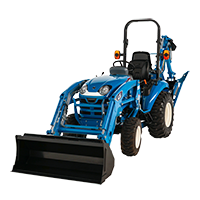
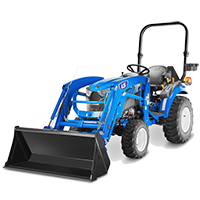
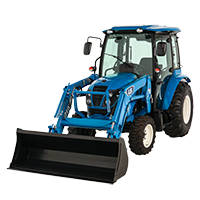
Your tractor is only as versatile as the implements and attachments that go with it. Whether you’re mowing fields, moving material with a loader, grading driveways, digging trenches, or maintaining food plots, your attachments play a major role in getting work done efficiently.
While most owners stay on top of routine tractor maintenance, implements and attachments often receive less attention. However, neglecting these hardworking tools can lead to reduced performance, costly repairs, and unnecessary downtime. With a few simple maintenance habits, you can extend the life of your equipment and keep every job running smoothly.
Start with the Operator’s Manual
Every implement is designed differently, which is why the manufacturer’s operator’s manual should always be your first maintenance resource. Understanding how an attachment operates helps you identify critical components, recommended service intervals, lubrication points, and signs of potential problems before they become serious.
Taking a few minutes to review maintenance recommendations can save hours of repair time later.
Inspect Attachments Before and After Use
A quick walkaround inspection can help identify small issues before they become major repairs. Before using an attachment, look for:
- Loose or missing hardware
- Cracks, bends or structural damage
- Worn cutting edges or blades
- Damaged hydraulic hoses
- Excessive rust or corrosion
- Missing safety shields or guards
After use, inspect the attachment again for any new signs of wear or damage that may have occurred during operation.
Regular inspections are one of the simplest ways to improve safety and reliability while reducing unexpected breakdowns.
Keep Equipment Clean
Dirt, mud, crop residue, fertilizer, and other debris can accelerate wear and corrosion if left on equipment for extended periods.
After each use:
- Remove accumulated dirt and debris
- Wash off fertilizer or chemical residue
- Clear grass and vegetation from moving components
- Dry equipment thoroughly before storage
Keeping attachments clean not only improves their appearance but also makes it easier to spot leaks, cracks, and worn components that may otherwise go unnoticed.
Lubricate Moving Parts Regularly
Many tractor attachments contain pivot points, bearings, PTO shafts, and other moving components that require routine lubrication.
Greasing these areas helps:
- Reduce friction and wear
- Prevent corrosion
- Extend component life
- Improve operating performance
As a general guideline, inspect and grease fittings approximately every 10 operating hours or every couple of weeks during periods of regular use. Always follow the recommendations provided by the equipment manufacturer.
If you hear squeaking, grinding, or metal-on-metal contact, stop operation and inspect the equipment immediately. These sounds often indicate inadequate lubrication or excessive wear.
Check and Tighten Hardware
The vibration created during normal tractor operation can gradually loosen bolts, nuts, pins, and fasteners.
Make it a habit to inspect mounting points and hardware regularly. Pay particular attention to:
- Hitch connections
- Blade mounting hardware
- Loader attachment points
- Wheel and axle components
- Protective shields and guards
Loose hardware can affect performance, increase wear, and create safety hazards if left unaddressed.
Monitor Hydraulic Components
Many modern attachments rely on hydraulic systems for power and functionality. Grapples, backhoes, hydraulic augers, and other specialized implements require additional attention.
Regularly inspect:
- Hydraulic hoses
- Fittings and couplers
- Cylinders
- Hydraulic fluid levels
Look for cracks, abrasions, leaks, or damaged fittings. Even a small hydraulic leak can reduce performance and eventually lead to equipment failure.
Address hydraulic issues promptly to avoid larger repairs and maintain safe operation.
Maintain Blades and Cutting Edges
Attachments that cut, dig, or move material perform best when their working surfaces remain in good condition.
Inspect blades, teeth, and cutting edges regularly for:
- Excessive wear
- Chips or cracks
- Bent components
- Dull cutting surfaces
Sharp blades produce cleaner cuts, improve efficiency, and place less strain on both the attachment and tractor. Worn components should be sharpened or replaced as needed.
Watch for Signs of Wear
Every attachment experiences wear over time. The key is recognizing when routine wear becomes a maintenance concern.
Common warning signs include:
- Unusual noises during operation
- Increased vibration
- Reduced performance
- Hydraulic leaks
- Loose or misaligned components
- Visible cracks or deformation
Addressing these issues early can prevent more extensive repairs and help avoid downtime during busy seasons.
Follow a Seasonal Maintenance Routine
A seasonal approach helps ensure your equipment is ready when you need it most.
Pre-Season Preparation
Before peak working seasons:
- Inspect the entire attachment
- Lubricate all grease points
- Check hydraulic systems
- Replace worn parts
- Verify all hardware is secure
During the Season
While equipment is in regular use:
- Clean attachment after use
- Monitor wear points frequently
- Check lubrication schedules
- Inspect hoses, fittings, and hardware
End-of-Season Care
Before storing equipment:
- Thoroughly clean all surfaces
- Repair damaged components
- Touch up chipped paint if needed
- Apply rust preventative products
- Lubricate exposed metal surfaces
A little attention at the end of the season can significantly reduce maintenance needs when the next season begins.
Store Attachments Properly
Proper storage is one of the most overlooked aspects of attachment maintenance.
Whenever possible, store implements:
- Indoors in a dry building
- Under a roof or protective cover
- On level ground
- Away from standing water and excessive moisture
Reducing exposure to rain, snow and direct sunlight helps prevent rust, corrosion, and premature deterioration.
Keep Maintenance Records
Maintaining a simple inspection and service log can help track:
- Lubrication schedules
- Repairs and replacements
- Hydraulic service intervals
- Wear patterns
- Seasonal maintenance tasks
These records make it easier to identify recurring issues and ensure important maintenance items aren’t overlooked.
Get More Value from Every Attachment
LS Tractor owners depend on their equipment to tackle a wide range of property maintenance, landscaping, agricultural, and construction tasks. By giving implements and attachments the same level of care as the tractor itself, you can improve performance, reduce downtime, and extend the life of your investment.
A few minutes spent inspection, cleaning, lubricating and maintaining attachments throughout the year can help ensure they’re ready to perform whenever the next job calls.
Published on June 10, 2026 and written by Kimberly Steele