

Compact Tractor for Greenhouse Projects: Preparing for Year-Round Growing
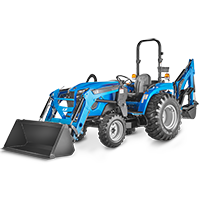
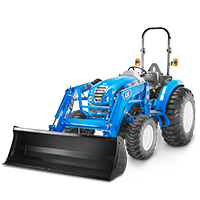
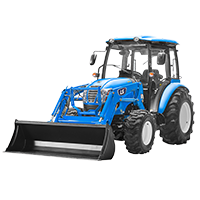
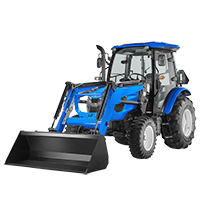
A compact tractor can make greenhouse projects easier by helping with site preparation, grading, material handling, drainage and garden bed preparation. Whether you’re installing a backyard greenhouse or building a larger four-season homestead garden, the right tractor and attachments can take on many of the heavy-duty jobs required to prepare and maintain the space.
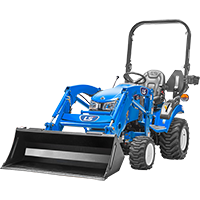
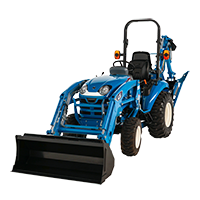
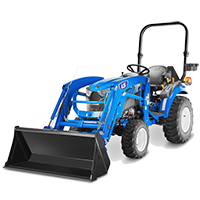
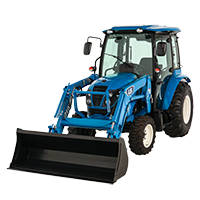
Homesteaders are embracing greenhouses, high tunnels, and four-season gardening as a way to grow more food, reduce grocery costs, and build true self-reliance. As this trend accelerates, one tool consistently proves itself indispensable: a compact LS Tractor. The right equipment can make property preparation faster and more manageable, giving you more time to focus on growing food, improving your soil, and making the most of your land.
Preparing a Greenhouse Site with a Compact Tractor
Choosing the right location is one of the first decisions to make when planning a greenhouse. Sun exposure, accessibility drainage, wind protection and proximity to water can all influence how well the space performs throughout the growing season.
But even a good location may need some preparation before the greenhouse can be installed. The ground should be relatively level and stable, with adequate drainage to help prevent standing water around the structure. Depending on the property, site preparation could involve removing vegetation, moving soil, filling low areas or creating a properly graded pad. This is where a compact tractor for land preparation can be especially useful.
Site Grading for a Greenhouse
A compact tractor equipped with the right implement can help establish a more level surface for a greenhouse or high tunnel. A box blade, rear blade or grading implement can be used to move and distribute soil across the site, helping eliminate high spots and fill shallow depressions.
The goal isn’t necessarily to create a perfectly flat piece of ground everywhere. Instead, proper grading should create a stable, usable area while directing water where you want it to go. A properly prepared site protects your investment and sets the stage for productive, year-round growing.
A compact tractor can help with:
- Leveling and smoothing the greenhouse site
- Moving soil from high areas to low areas
- Preparing access paths around the structure
- Creating a stable base for greenhouse construction
- Maintaining the site as soil settles over time
Before beginning any excavation or grading project, identify underground utilities and follow appropriate safety procedures.
Building a Four-Season Homestead Garden
Four-season gardening is no longer reserved for large farms. A greenhouse can do more than extend the spring and fall growing seasons. With thoughtful planning it can become part of a larger four-season homestead garden designed around continuous food production.
Instead of thinking of the greenhouse as an isolated structure, consider how it fits into the entire garden. You might use outdoor beds for warm-season crops while growing cool-season vegetables or extending production into the colder months.
A well-planned garden might include:
- Outdoor raised or in-ground beds
- A greenhouse or high tunnel
- Composting and soil-building areas
- Paths for equipment and maintenance
- Water access
- Storage for tools and supplies
- Space for future garden expansion
The advantage of planning the entire area at once is that you can consider equipment access before everything is planted. A path that is wide enough for a compact tractor today can make future soil movement, compost delivery and garden maintenance much easier.
Use a Compact Tractor to Prepare Garden Beds
Once the greenhouse site is established, the surrounding garden may require significant soil movement. A front-end loader can help move topsoil, compost, mulch and other materials around the property. Depending on the implement and soil conditions, tractor attachments can also assist with preparing larger planting areas. This can be especially valuable when you’re expanding a garden project rather than simply maintaining an existing one.
Use a compact tractor to help:
- Move topsoil and compost
- Backfill low areas
- Prepare larger garden spaces
- Transport mulch
- Redistribute soil around the property
- Maintain garden paths
The tractor doesn’t replace the planning, planting, and daily care that make a homestead garden successful. It simply makes some of the physical work involved in creating that garden more manageable. With the right attachments, you can build a resilient garden that thrives through heat, frost, and everything in between.
Moving Greenhouse Materials with a Compact Tractor
A greenhouse project can involve more materials than you might expect. Depending on the design, you may need to move lumber, framing materials, panels, greenhouse kits, soil, gravel, compost, raised-bed materials, and other supplies from one part of the property to another. Moving these materials by hand can turn a weekend project into a much longer job.
A compact tractor with a front-end loader can provide another option for transporting heavier materials around the property. Pallet forks, a loader bucket or other appropriate attachments can help move materials while reducing the amount of manual lifting required.
Material Transport for Homestead Projects
Material transport is one of the most versatile applications for a compact tractor around a homestead. The same machine used to prepare your greenhouse site can later help move:
- Gravel for greenhouse paths
- Compost and soil
- Mulch
- Cinder blocks
- Lumber and building supplies
- Rolls of greenhouse plastic
- Firewood
- Landscaping materials
- Supplies for raised garden beds
- Water tanks
This versatility is one reason compact tractors have become a favorite tool for small-acreage property owners. Instead of multiple exhausting trips by hand, your tractor consolidates the work into efficient, controlled movements saving time and preventing injury. A single tractor can support many different projects throughout the year instead of being dedicated to one task. This versatility makes compact tractors particularly useful for small-acreage property owners.
Always follow the tractor and implement manufacturer’s load ratings and operating instructions when moving materials.
Creating Drainage Around a Greenhouse or High Tunnel
One of the most important and sometimes overlooked parts of a greenhouse project is water management. A greenhouse or high tunnel can change how rainwater moves across a property. Water that once dispersed naturally across the ground may instead collect along the edges of the structure or discharge from the roof in concentrated locations.
Poor drainage can lead to flooding, root rot, muddy paths, erosion, and structural damage. Planning drainage before installing the structure can help prevent some of these problems.
Using a Compact Tractor for Drainage Projects
Depending on the size and scope of the project, a compact tractor can assist with directing water away from the structure and shaping the surrounding land to encourage natural runoff. It can also help maintain drainage routes after heavy weather or as the surrounding soil changes over time. Good drainage ensures your high tunnel stays dry, stable, and productive year-round.
A compact tractor can assist with:
- Digging or shaping drainage channels with appropriate attachments
- Moving excavated soil
- Shaping the surrounding land
- Backfilling around prepared areas
- Maintaining access around the greenhouse
- Moving gravel or drainage pipes
- Addressing erosion and drainage issues
For larger drainage systems or projects involving excavation, consult qualified professionals and check local requirements before beginning work.
Choosing the Right Tractor and Attachments for Greenhouse Projects
The tractor itself is only part of the equation. The right tractor implements and attachments can determine how effectively you can tackle different stages of a greenhouse or garden project.
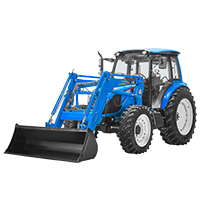
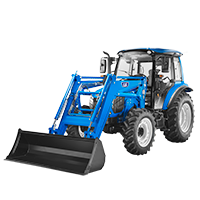
For many homesteaders, a front-end loader is one of the most useful tools for material handling and soil movement. A box blade or rear blade can help with grading and maintaining paths, while other attachments can be selected based on the soil, acreage and projects planned for the property.
When considering an LS compact tractor, think beyond the immediate greenhouse installation. Ask yourself:
- What will I need to move around the property?
- How much soil or compost will I handle?
- Will I expand the garden later?
- Do I need to maintain gravel or dirt paths?
- Will I have additional landscaping or land-management projects?
- Which tractor implements will be useful throughout the year?
Thinking about those questions before purchasing equipment can help you choose a setup that grows with your property.
Turn Your Greenhouse into a Year-Round Homestead Resource
The appeal of a greenhouse isn’t simply having somewhere to grow plants when the weather is cold. It’s the opportunity to rethink how you use your property. A greenhouse can provide a protected space for starting seeds, growing vegetables during multiple seasons, and experimenting with crops that might otherwise struggle in your climate. Combined with outdoor beds, composting, food preservation and thoughtful soil management, it can become an important part of a more productive year-round homestead.
Remember, the work doesn’t stop once the greenhouse is standing. Each season brings new projects: refreshing plant beds, moving compost, maintaining paths, improving drainage, expanding garden space and preparing for the next crop. That’s where a compact tractor can continue to earn its place on the property.
Build the Garden, Grow a Lifestyle
A four-season garden begins with more than seeds and soil. It starts with creating a property that can support the way you want to live and grow. Preparing a greenhouse site, moving materials, improving drainage and developing productive garden space can be physically demanding projects – but they don’t have to be done entirely by hand.
With the right compact tractor and implements, homesteaders can take on these larger property-improvement projects while keeping their focus where it belongs: growing food, spending time outdoors and building a more productive homestead.
Whether you’re installing your first backyard greenhouse or expanding an established four-season homestead garden, thoughtful preparation today can create a growing space that serves you for years to come. As always, contact your local LS Tractor dealer to help you choose the perfect LS tractor and attachments to bring your project to life.
Published on September 3, 2026 and written by Kimberly Steele