

Things to Keep in Mind When Taking Your Property Off the Grid
How smart planning – and the right equipment – can set you up for long term success
Going off the grid is more than a trend – it’s a commitment to independence, sustainability, and a hands-on way of life. Whether you’re dreaming of a fully self-sufficient homestead or simply reducing reliance on public utilities, success depends on thoughtful planning, realistic expectations, and having the right tools to get the job done.
For many property owners, brands like LS Tractor have become part of that journey – supporting rural and off-grid communities with equipment designed for reliability, simplicity, and long-term use.
Here’s what to consider before taking your property off the grid and why having a reliable tractor can make all the difference.
Start With Your Land: Resources and Limitations
Every off-grid journey begins with a clear understanding of your property. Evaluate your land for natural resources like water access, soil quality, sunlight exposure, and timber. These factors will shape everything from your food systems to your energy setup.
It’s equally important to research local zoning laws, building codes, and environmental regulations. While off-grid living is generally legal, restrictions can affect what you’re allowed to build or install.
Budgeting matters, too. Initial setup costs can range widely depending on your goals, so plan not only for installation, but also for ongoing maintenance and upgrades.
Build a Reliable Energy System
Energy independence is at the core of off-grid living. Most properties rely on solar power systems paired with battery storage and a backup generator. Depending on your location, wind or micro-hydro systems can provide additional support.
The key is designing a system that matches your actual usage, not just peak demand. Efficient energy habits, like minimizing unnecessary consumption and using energy-saving appliances, will extend the life of your system and reduce costs over time.
Secure a Sustainable Water Supply
Water is non-negotiable. A dependable source, whether it’s a well, rainwater collection, or a natural spring, is essential for daily life. Once sourced, water must be filtered and purified for safe use.
You’ll also need a plan for wastewater. Septic systems, composting toilets, and greywater recycling all play a role in maintaining a clean and sustainable property.
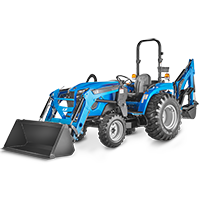
Managing water systems often involves digging trenches, transporting materials, and maintaining infrastructure – tasks made significantly easier with a capable tractor – especially when using equipment designed with durability and hydraulic performance needed for remote property work, like those offered by LS Tractor.
Grow Your Own Food
A productive food system is what transforms a property into a true homestead. Start with a garden tailored to your climate, then expand into perennial crops and possible livestock for protein and fertilizer.
Food preservation is just as important as production. Techniques like canning, drying, fermenting, and root cellaring ensure your harvest lasts year-round.
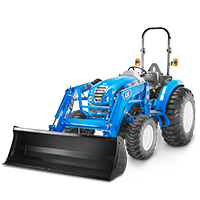
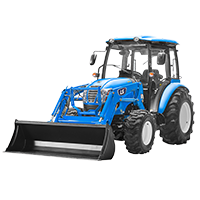
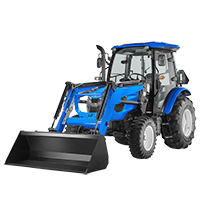
Many homesteaders rely on dependable compact tractors, such as those from LS Tractor, to handle seasonal demands without interruption – an important factor when your food supply depends on it. From preparing soil to hauling compost and maintaining pastures, a tractor becomes an everyday necessity in building and sustaining your food supply.
Develop Practical Skills
Off-grid living rewards those who can do things themselves. Construction, equipment repair, gardening, water management, and even basic medical knowledge all become part of daily life.
While some specialized work may require professionals, the more skills you develop, the more self-reliant, and cost-effective you’ll be.
Prepare for Real-World Challenges
Living off the grid isn’t without its difficulties. Expect long workdays, unpredictable weather, and limited access to emergency services. Isolation can also be a factor, especially in rural locations.
Preparation is key. Keep emergency supplies on hand, maintain communication options, and build connections with nearby communities whenever possible.
Budget Wisely and Plan for Income
While off-grid living can reduce monthly utility costs, it doesn’t eliminate expenses. Equipment, repairs, and supplies all require financial planning.
Many off-grid homeowners supplement their income by selling produce, crafts, or services – or by working remotely. A well thought out financial plan ensures your lifestyle remains sustainable long-term.
Design for Efficiency and Sustainability
Smart design reduces workload and resource use. Energy-efficient buildings, proper insulation, and solar heating can dramatically lower energy needs.
Sustainable systems, like composting, recycling, and water reuse not only benefit the environment, but also make your property more self-sufficient.
Adjust Your Mindset
Going off the grid is as much a lifestyle shift as it is a physical one. It means trading convenience for independence and embracing problem-solving as part of everyday life. Patience, adaptability, and a willingness to learn will carry your further than any single system or tool.
Consider Starting Small
You don’t have to go fully off-grid overnight. Many people begin with partial steps like installing solar panels or starting a garden before transitioning completely. This gradual approach allows you to build skills, spread out costs, and refine your systems over time.
Why a Tractor is Essential for Off-Grid Living
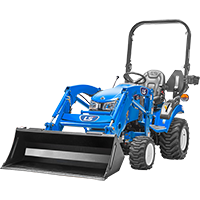
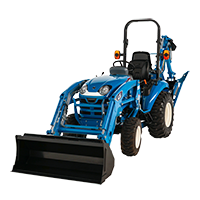
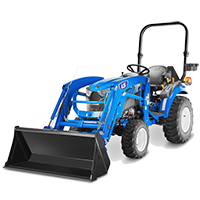
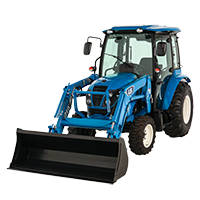
No matter how well you plan, off-grid living is labor intensive. That’s where a tractor becomes one of the most valuable investments you can make. This is why many off-grid property owners turn to brands like LS Tractor, known for building practical, operator-focused machines that perform in demanding, remote environments.
A compact, durable tractor provides:
- Versatility: From tilling gardens and mowing fields to hauling firewood and maintaining roads, one machine can handle dozens of tasks.
- Efficiency: What might take days by hand can often be completed in hours.
- Independence: You won’t need to rely on outside contractors for routine land management.
- Durability: Built for rugged conditions, tractors are designed to perform in the same environments where off-grid living thrives.
- Long-term value: The time and labor saved quickly offset the initial investment.
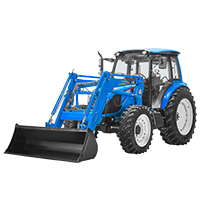
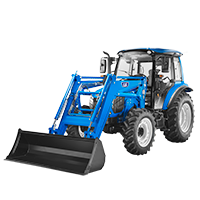
For off-grid property owners, a tractor isn’t just equipment – it’s the backbone of daily operations. Whether you’re clearing land, planting crops, or maintaining infrastructure, having a reliable machine ensures you can keep your homestead running smoothly year-round.
The Bottom Line
Taking your property off the grid is a rewarding challenge that combines careful planning with continuous learning. By understanding your land, building reliable systems, and equipping yourself with the right tools, you can create a lifestyle that’s both sustainable and empowering.
With the support of reliable equipment and a network that understands the needs of rural landowners, including companies like LS Tractor, property owners can approach off-grid living with greater confidence. And when it comes to managing the demands of off-grid living a dependable tractor isn’t just helpful – it’s essential.
Published on May 8, 2026 and written by Kimberly Steele