

New to Homesteading? Top 10 Things to Consider
Do you dream of growing your own food, cooking meals from scratch, and living a more sustainable lifestyle? Homesteading is more than a trend – it’s a lifestyle rooted in self-sufficiency, resilience, and a deeper connection to the land.
At its core, homesteading is about making more of what you need at home. You grow food, preserve it, cook from scratch, care for animals, fix what breaks, and develop practical skills that help you rely less on outside systems. It’s not about perfection – or doing everything all at once. It’s about learning as you go, solving problems, and building a lifestyle that works for you and your family.
Whether you’re dreaming of fresh eggs every morning, growing your own produce, or simply enjoying a quieter, more intentional way of living, getting started can feel overwhelming. If you are new to homesteading, here are the top 10 things to consider before you dive in.
-
Define What Homesteading Means to You
Homesteading looks different for everyone. Are you aiming for full self-sufficiency, or just supplementing your grocery store trips? For some, it means raising livestock and growing all their own food. For others, it’s a garden, a few chickens, and cooking more meals at home.
Be realistic about your property, your time, and your goals. Are you staying where you are or starting fresh on new land? Clarifying your goals will help guide every decision from land size to equipment. Your vision will shape everything that follows.
-
Plan Ahead but Stay Flexible
Homesteading requires thinking ahead. Location matters. Consider soil quality, water access, climate, zoning regulations, and proximity to resources. Even a few acres can be highly productive if used wisely.
Water is essential for both crops and livestock. Think about irrigation systems, rainwater collection, drainage, and access to natural water sources. Efficient water use can save time and money.
Crops, animals, and seasonal work all run on timelines. Seeds need the right conditions to grow. Eggs take time to hatch. Breeding, harvesting, and preserving all require planning.
At the same time, expect the unexpected. Weather changes, equipment breaks, and not every plan works out. Research thoroughly, learn from others, and adapt as needed.
-
Start Small and Build Gradually
It’s tempting to do everything at once, but that can quickly lead to burnout. It’s easy to get overwhelmed in the beginning. Start with a manageable project like a small garden or a few chickens. Learn what works before expanding.
Many successful homesteaders will tell you – it’s better to do a few things well than to struggle with too much at once. Even apartment dwellers can begin with container gardens or simple from scratch cooking. A simple start is best, then expand as you gain confidence and experience.
-
Budget Realistically and Invest Wisely
Homesteading can save money over time, but upfront costs add up quickly. Tools, fencing, seeds, animals and infrastructure all require investment.
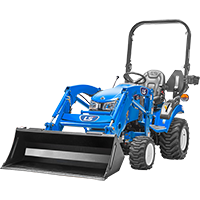
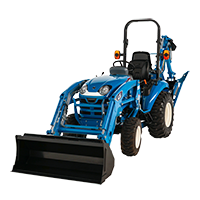
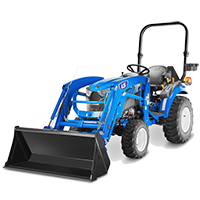
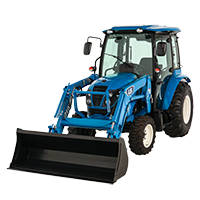
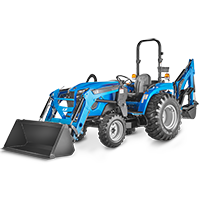
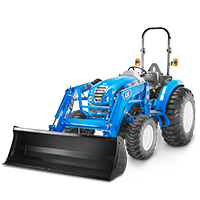
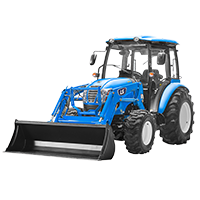
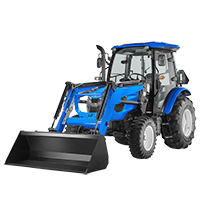
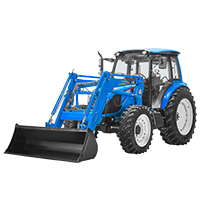
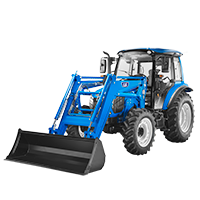
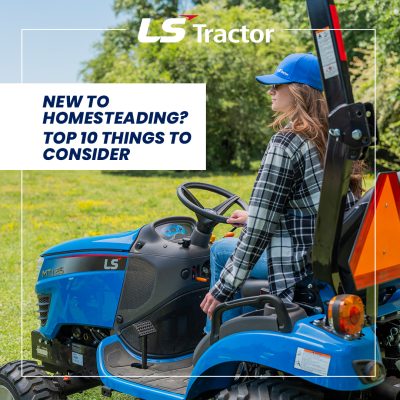
Having the right tools can make or break your homesteading experience. A dependable tractor is often the backbone of a successful homestead – helping with everything from mowing and tilling to hauling and land clearing. Choose equipment that matches your property size and workload.
Prioritize what you truly need and build from there. Reliable equipment can make daily tasks more efficient and less physically demanding, especially as your homestead grows. Create a realistic budget and prioritize essential investments first.
-
Build a Support Network
Homesteading is not meant to be done alone. Strong communities are at the heart of successful homesteads. Sharing knowledge, tools, and experiences can make your journey smoother and more enjoyable.
Connect with local farmers and neighbors, join online groups, and seek out mentors, especially if you’re raising specific animals. Having someone to ask questions or troubleshoot problems can save you time, money and frustration.
-
Develop Practical, Everyday Skills
Homesteading is built on a wide range of skills. Gardening, basic carpentry, food preservation, equipment maintenance, and even cooking from scratch all play a role.
These skills not only save money, but also give you confidence and independence. Over time, many homesteaders even create small income streams by selling extra produce, eggs, or handmade goods. You don’t need to know everything right away – just be willing to learn.
-
Build Healthy Soil and Compost Systems
Good soil is the foundation of a productive homestead. Healthy soil equals healthy crops. Test your soil to determine nutrient levels and pH, and amend it as needed.
Composting is one of the simplest and most effective ways to naturally enrich your soil over time. By turning kitchen scraps and yard waste into nutrient-rich compost, you reduce waste while creating healthier growing conditions for your crops.
-
Protect your Land, Animals, and Investment
If you plan to raise livestock, start with animals that match your experience level and property setup. Chickens are often a beginner-friendly option. Make sure you understand feeding, housing, and healthcare needs before bringing animals home.
Fencing and shelter are essential. A well-built fence keeps livestock in and predators out, while secure coops and shelters protect animals from weather and threats.
From chickens to large livestock, planning for protection early will prevent costly and discouraging setbacks later.
-
Preserve What you Grow
A productive garden often yields more than you can use at once. Learning how to preserve food through canning, freezing, drying, or fermenting ensures nothing goes to waste.
Those preserved foods become especially valuable during the winter months when fresh options are limited and your hard work continues to pay off.
-
Keep Records and Keep Learning
You don’t need anything complicated – a simple notebook works. Track what you plant, what grows well, how much you harvest, and what your animals consume.
Homesteading is a long-term learning process. Mistakes will happen, but they’re part of the journey. Keeping records helps you improve year after year.
Final Thoughts
Homesteading is not a contest, and there are no strict rules. It’s not about doing everything perfectly or eliminating every trip to the grocery store. It’s about progress – learning to provide more for yourself, becoming more resourceful, and building a life that feels grounded and intentional.
It can be challenging at times, but it’s also a rewarding journey that offers independence, resilience, and a strong sense of accomplishment. You gain a better understanding of your food, your land, and your capabilities. You create something meaningful, whether that’s a garden, a skillset, or a legacy to pass on.
With clear goals, thoughtful planning, a willingness to learn, and the right tools to support your work, you can build a homestead that grows with your over time. At LS Tractor, we are proud to support homesteaders with dependable equipment that makes day-to-day tasks more manageable, so you can spend more time enjoying the life you’re building. We know homesteading isn’t just about the land – it’s about the people and purpose behind it. We’re here to help you tackle the work with confidence.
Start small, stay curious, and enjoy the process. With the right support and preparation, your homesteading dream is closer than you think.
Published on March 31, 2026 and written by Kimberly Steele