

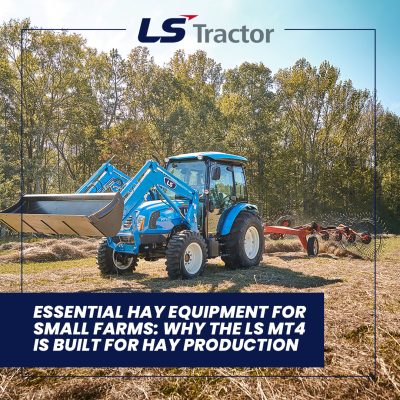
Essential Hay Equipment for Small Farms: Why the LS MT4 is Built for Hay Production
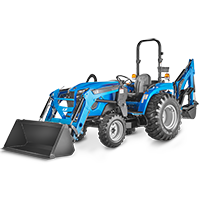
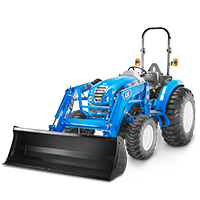
Cutting, drying and baling hay is a rhythm of rural life. Whether you’re producing hay for horses, cattle, sheep, goats or other livestock, success depends on timing, technique, and having the right hay equipment for the job. The right tractor can make every step smoother, safer, and more efficient. That’s where the LS MT4 Series shines as the dependable partner that helps you elevate your hay-making workflow and get the job done right.
Understanding the Hay-Making Process
Producing high-quality hay is a carefully timed process that transforms forage into nutritious feed for livestock. Each step plays an important role in preserving quality, maximizing nutritional value and minimizing losses.
- Cutting – The process begins by mowing forage crops such as grasses or alfalfa at the optimal stage of growth. Proper timing helps maximize yield, nutritional content and regrowth potential.
- Drying – After cutting, the forage must dry in the field to reduce moisture content. Proper drying is critical to preventing mold, spoilage and excessive nutrient loss during storage.
- Tedding – A tedder lifts and spreads the cut forage to improve air circulation and accelerate drying. This step is especially valuable when weather conditions are less than ideal or when drying times need to be shortened.
- Raking – Once the hay reaches the proper moisture level, a rake gathers the forage into uniform windrows. Well-formed windrows improve baling efficiency and help create more consistent bales.
- Baling – After the hay has dried sufficiently, a baler compresses the forage into round or square bales for easier handling, transportation and storage. Proper moisture levels during baling are essential to maintaining forage quality.
- Storage – The final step is protecting the harvest. Storing hay in a barn, shed or covered area helps preserve nutritional value, prevent weather damage and reduce the risk of mold and spoilage until it’s needed for feeding.
The Core Equipment You Need for Hay Production
Each step of hay production operation process relies on a specific tool – and your tractor is the power source that brings them all together.
- Tractor Power – A dependable tractor is the foundation of an efficient hay operation. With the horsepower needed to confidently power mowers, tedders, rakes and balers, the LS MT4 Series helps you work more efficiently, cover more acres and stay productive during critical harvest windows.
- Mower Conditioner – A mower conditioner not only cuts hay efficiently but also crimps plant stems, allowing moisture to escape faster. Faster drying means less risk of weather damage and improved forage quality.
- Tedder – A tedder helps accelerate drying by lifting, fluffing and evenly spreading cut hay. Faster, more consistent drying reduces the risk of weather-related losses and helps preserve forage quality.
- Hay Rake – A hay rake gathers and organizes dried forage into uniform windrows, making it easier for your baler to operate efficiently while reducing missed material and field losses.
- Baler and Twine – A baler transforms loose forage into compact, easy-to-handle bales that simplify transportation, storage, and feeding. Twine secures each bale, helping preserve its shape and integrity from the field to the barn.
- Hay Wagon or Trailer – A hay wagon or trailer helps move bales quickly and efficiently from the field to storage, reducing handling time and allowing you to clear fields faster before weather conditions change.
- Bale Spear – A bale spear makes loading, transporting, and stacking round bales safer and more efficient, reducing manual labor while improving productivity around the farm.
- Storage Solutions – Proper storage is essential to protecting the quality of your hay investment. A barn, shed or covered storage area helps keep hay dry, preserve nutritional value and reduce the risk of mold and spoilage.
Tips for Producing High-Quality Hay
Producing quality hay requires careful attention to timing, moisture levels, and equipment maintenance. Following these best practices can help preserve nutritional value, improve forage quality, and minimize harvest losses.
Cut at the Right Time
- Watch the Weather Forecast Closely – Weather is one of the most important factors in successful hay production. Ideally, plan for a four-day window of dry conditions after mowing. Rain can leach valuable nutrients, extend drying times and reduce overall forage quality.
- Harvest Before Full Bloom – For the best balance of yield and nutritional value, forage should be cut while plants are still leafy and before they reach full maturity or flowering.
- Grasses – Harvest during the early boot stage, when seed heads are beginning to develop but have not yet emerged. This helps maximize feed quality and palatability.
- Alfalfa – Cut at approximately 10% bloom to achieve an ideal balance of yield, protein content and digestibility.
- Leave Adequate Height – Maintain a cutting height of approximately 3-4 inches to promote faster regrowth, improve stand longevity and help protect soil moisture.
Manage Moisture
Proper moisture management is one of the most important factors in producing high-quality hay. A hay moisture tester helps ensure hay is baled and stored safely, reducing the risk of mold, spoilage, nutrient loss, and even spontaneous combustion in storage.
- Small Square Bales: Target 15-20% moisture
- Large Round Bales: Target 18% moisture or less
- Too Wet: Increases the risk of mold, heating, and spoilage
- Too Dry: Can result in excessive leaf shatter and reduced nutritional value
Rake at the Right Dryness
Proper timing during raking helps preserve forage quality. Rake hay when it is dry enough to prevent soil contamination and excessive moisture, but not so dry that valuable leaves become brittle and break away.
Maintain Equipment
Well-maintained equipment helps maximize productivity and minimize downtime during critical harvest windows. Sharp mower blades, properly calibrated balers and readily available spare parts such as shear pins, rake tines, belts and tires can help keep operations running smoothly from field to barn. From routine maintenance to unexpected repairs, your authorized LS Tractor Dealer is an important partner in maximizing equipment performance, reducing downtime and helping ensure you’re ready when hay season demands action.
Bale in Dry Weather
Successful baling starts with favorable conditions. Whenever possible, plan for a four-day stretch of dry weather after cutting to allow forage to dry properly before baling. Monitoring weather forecasts closely can help protect hay quality and reduce the risk of weather-related losses.
Safety and Efficiency Tips
Hay days are long, hot, and demanding. A few essentials make them safer:
- Hydration – Working in summer heat can quickly lead to dehydration and fatigue. Keep plenty of water on hand and take regular hydration breaks throughout the day.
- Protective Gear – Gloves, safety glasses, proper footwear and lightweight, long-sleeved clothing can help protect against dust, sun exposure and minor injuries while working around equipment and hay.
- Adequate Help – Hay production operations are often more efficient and safer with extra hands, especially when handling and stacking square bales.
- Set Reasonable Goals – Start early and give enough time to bale and store the finished product, while also incorporating breaks to cool off and hydrate as needed.
- Spare Parts – Downtime during a narrow harvest window can be costly. Having common replacement parts such as shear pins, rake tines and belts readily available can help keep your operation moving.
- Inspect Equipment Before Heading to the Field – A quick pre-operation check of fluids, tires, PTO connections and wear items can help prevent unexpected breakdowns and improve overall efficiency.
- Refer to Your Operator’s Manual – Before operating your tractor or hay equipment, review the manufacturer’s operator’s manual for proper operating procedures, maintenance requirements, and important safety information. Understanding your equipment helps improve efficiency while reducing the risk of accidents and unnecessary wear.
- Why the LS MT4 is the Ideal Tractor for Hay Work
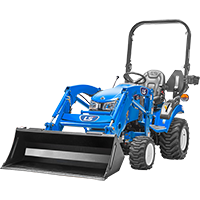
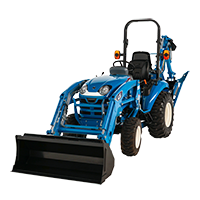
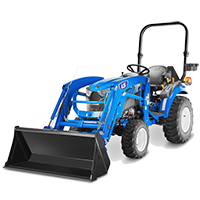
Making quality hay requires the right combination of timing, equipment and dependable performance. With the horsepower to run essential hay implements, the lifting capacity to handle heavy bales and the comfort to keep operators productive during long harvest days, the LS MT4 is built to support every step of the hay-making process.
From operating mowers and tedders to handling heavy round bales with a front-end loader, the LS MT4 provides the versatility needed to support the entire hay production cycle. Its combination of PTO power, hydraulic performance, lifting capability, and operator comfort makes it an ideal choice for livestock producers and small farm owners alike.
Power that Matches Hay Implements
With up to 63 PTO horsepower available, the LS MT4 provides the PTO performance needed to operate larger mowers, tedders, rakes, and balers efficiently. Whether you’re maintaining a few acres or supporting a growing livestock operation, the MT4 delivers the muscle required to stay productive.
Comfort That Keeps You Going
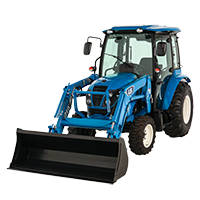
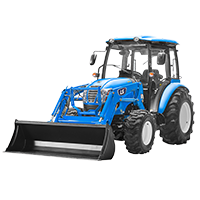
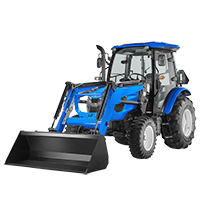
Successful hay production operations often come down to making the most of a narrow weather window. The MT4’s optional enclosed cab with air conditioning helps shield operators from heat, dust, pollen and fatigue, allowing you to stay comfortable, focused and productive throughout long days of mowing, raking, baling, and hauling.
Versatility for Every Attachment
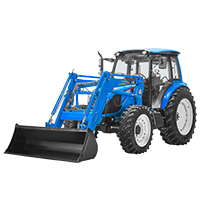
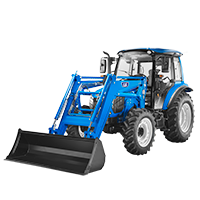
Choosing the right tractor for hay production can improve efficiency at every stage of the process. The MT4 is built to handle the demands of hay production. With a robust LS LL5001 front-end loader offering up to 3,488 lbs. of lift capacity, a Category II 3-point hitch capable of lifting 3,483 lbs., and strong hydraulic performance, it confidently powers and supports the hay equipment producers rely on throughout the season, including:
- Bale spears
- Rakes
- Tedders
- Balers
- Wagons and trailers
Built to Maximize Uptime
In hay production, missed opportunities can quickly impact forage quality and yield. The MT4’s rugged design, proven reliability and easy maintenance access help reduce downtime and ensuring you’re ready to make the most of every harvest window.
The Bottom Line
Baling your own hay for your livestock can be especially satisfying and rewarding. Hay production is more than a seasonal task – it’s a lifestyle built on planning, timing and hard work. The LS MT4 doesn’t replace that effort; it supports it, offering the power, versatility and capability needed for mowing, tedding, raking, baling, and bale handling throughout the season.
Whether you’re selecting equipment for your operation or maintaining it for the seasons ahead, your local authorized LS Tractor dealer is a valuable partner, helping you find the right solutions and providing the service and support needed to minimize downtime and maximize productivity when it matters most.
Published on June 22, 2026 and written by Kimberly Steele