

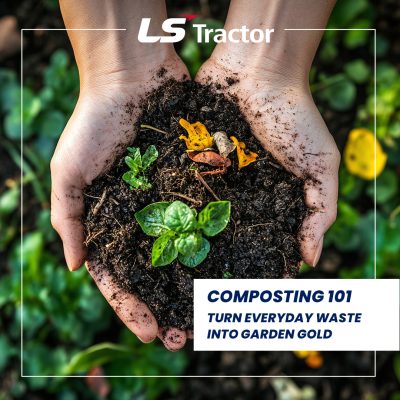
Composting 101 – Turn Everyday Waste into Garden Gold
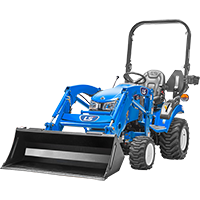
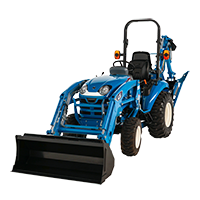
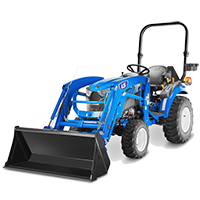
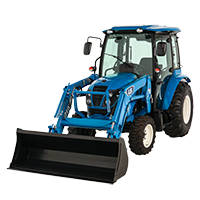
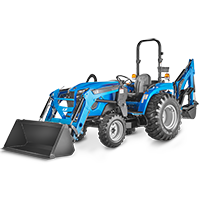
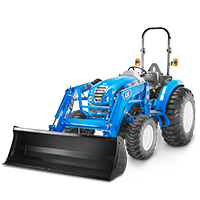
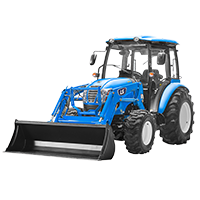
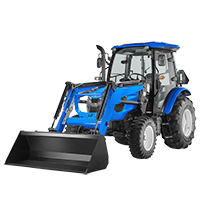
Composting is one of the simplest ways to create healthier soil, reduce household waste, and improve the productivity of your garden, lawn, or landscape. Whether you have a few raised beds, a large backyard garden, or acreage managed with an LS Tractor and attachments, composting can help you get more from your property while cutting down on what goes to the landfill.
Food scraps and yard debris make up a significant portion of household waste, yet many of those materials can be transformed into nutrient-rich organic matter that benefits plants, improves soil structure, and helps retain moisture. Backyard composting and vermicomposting (worm composting) are practical, low-cost ways to recycle organic material right at home.
Why Compost Matters
Healthy soil is the foundation of a productive property. Compost improves soil by increasing organic matter, helping roots grow more easily, improving drainage in heavy clay soils, and increasing water retention in sandy soils. It can also help suppress certain plant diseases and reduce erosion.
For property owners managing gardens, landscaping projects, orchards, or food plots, compost becomes a valuable resource that can reduce reliance on purchased soil amendments. And for those using tractors for property maintenance, composting offers another way to put leaves, grass clippings, and garden debris to good use instead of hauling or burning them.
Understanding the Basics of Composting
Composting is the controlled breakdown of organic materials into a dark, earthy material known as compost. Microorganisms do most of the work, but success depends on creating the right environment with:
- A balance of “greens” and “browns”
- Proper moisture
- Adequate airflow
- The right pile size
Browns vs. Greens
A successful compost pile needs both carbon-rich and nitrogen-rich materials.
“Browns” (carbon-rich materials):
- Dry leaves
- Straw
- Sawdust
- Twigs
- Cardboard
- Paper products
“Greens” (nitrogen-rich materials):
- Vegetable scraps
- Fruit scraps
- Coffee grounds
- Grass clippings
- Plant trimmings
A simple rule is to aim for roughly a 2-to-1 ratio of browns to greens.
Hot Composting vs. Cold Composting
Slow (Cold) Composting
Cold composting is the easiest option for beginners. Simply make a 3 to 4 cubic foot pile of leaves, yard debris, and food scraps together, keep the pile lightly moist, and let nature do the work over time. This method requires little maintenance, but decomposition may take close to a year.
Fast (Hot) Composting
Hot composting breaks materials down much faster and produces a richer, finished compost in a matter of months. To create a hot pile:
- Use a bin or build a pile at least 3 feet wide, deep, and tall
- Alternate layers of browns and greens
- Water each layer thoroughly
- Turn the pile weekly to introduce oxygen
A properly managed hot pile can reach temperatures between 140˚F and 150˚F, helping destroy weed seeds and many harmful pathogens.
The Importance of Moisture and Airflow
Moisture and oxygen are two of the biggest factors in successful composting.
Your pile should feel like a wrung-out sponge – damp, but not soaking wet. If the pile becomes too dry, decomposition slows down. If it becomes too wet, it can smell unpleasant and turn anaerobic with no air.
Turning the pile regularly keeps oxygen moving through the material and speeds up decomposition. Large piles of compacted grass clippings or wet leaves can restrict airflow, so mixing materials thoroughly is important.
Smaller Pieces Break Down Faster
Particle size matters. Chopping or shredding materials creates more surface area for microorganisms to work on, which speeds decomposition.
Property owners often use lawn mowers, chippers, or tractor-powered equipment to process leaves, branches, and garden debris before adding them to the compost pile. Managing organic material efficiently is another way tractors can support overall property maintenance and sustainability efforts.
What Should NOT Go into a Compost Pile
While many organic materials compost well, some should stay out of the pile entirely.
Avoid adding:
- Meat, fish, bones, or dairy products
- Pet waste or cat litter
- Diseased plants
- Weeds gone to seed
- Chemically treated wood
- Yard clippings treated with pesticides
- Pine needles
- Glossy or heavily coated paper products
- Oils, grease, or fats
These materials can attract pests, create odors, or introduce harmful pathogens
What is Vermicomposting?
Vermicomposting uses earthworms, specifically red wigglers, to break down food scraps into a nutrient-rich material called vermicompost.
Unlike traditional compost piles, worm bins:
- Require very little space
- Can be kept indoors or in garages
- Need no turning
- Produce minimal odor when maintained properly
Vermicompost is rich in beneficial microbes and nutrients that plants can readily absorb. It is commonly used in gardens, raised beds, potted plants, and lawns.
Setting Up a Worm Bin
Starting a worm bin is simple and inexpensive. Most systems need:
- A ventilated container with drainage
- Damp bedding material such as shredded newspaper or cardboard
- Red wiggler worms
- Kitchen scraps
Worm bins should stay between 59˚F and 77˚F and remain consistently moist.
Good foods for worms include:
- Vegetable scraps
- Fruit scraps
- Coffee grounds
- Tea bags
- Crushed eggshells
Avoid feeding worms:
- Meat
- Dairy
- Cirtus
- Onions
- Garlic
- Salty or greasy foods
With proper care, worms can process a surprising amount of food waste while creating a highly effective soil amendment.
Compost Tea and Vermicompost Tea
Many gardeners also use compost tea or vermicompost tea to support plant health.
These liquid extracts are created by soaking finished compost in water and are commonly applied around the base of plants or used as foliar sprays. Compost teas may help improve microbial activity and support healthy plant growth when used properly.
How to Know When Compost is Ready
Finished compost should:
- Be dark brown or black
- Smell earthy
- Have no recognizable food scraps or leaves remaining
- Feel crumbly and loose
Once ready, compost can be mixed into garden soil, spread around trees and shrubs, used in raised beds, or applied as a lawn top dressing.
Composting for a More Productive Property
Whether you maintain a backyard garden or manage several acres, composting is a practical way to improve soil health while reducing waste. Combining composting with efficient property management tools including tractors, loaders, and landscaping attachments, can help property owners make the most of their land year-round.
At LS Tractor, we know productive land starts with healthy soil. Composting is a simple step that can help property owners build stronger gardens, healthier lawns, and more sustainable properties for years to come.
Published on May 29, 2026 and written by Kimberly Steele