

Top 10 Things to Consider When Buying a New Tractor
The tractor has long stood as a symbol of agricultural progress – strength, reliability, and the ability to get more done with less effort. Today’s machines go far and beyond raw power. Modern tractors are engineered with advanced technology that improves efficiency, reduces fuel consumption, and delivers precision across a wide range of tasks. Brands like LS Tractor exemplify this evolution, combining innovative engineering with dependable performance to meet the demands of today’s landowners and farmers.
Whether you’re managing a few acres or running a large-scale operation, choosing the right tractor is one of the most important investments you’ll make. The ideal machine should match your land, your workload, and your long-term goals, not just your wish list.
Here are the top 10 factors to consider when purchasing your next tractor.
-
Choose the Right Tractor Type
Tractors come in several classes, and selecting the right platform is the foundation of a smart purchase. Choosing the right tractor depends on your specific needs, such as property size, workload, and budget.
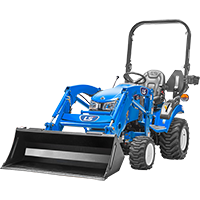
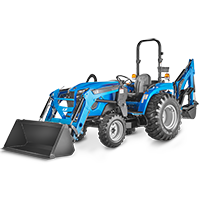
- Sub-Compact (General Range = 20-25 HP): Easy to operate and ideal for light duty tasks on small properties under 5 acres. Perfect for mowing, light landscaping, gardening, and snow removal. Easy to operate and store, often fitting in a standard garage. They are ideal for working on hobby farms and small ranches.
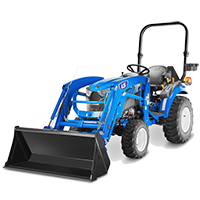
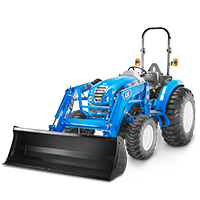
- Small Compact (General Range = 25-40 HP): Larger than sub-compact tractors with a step up in power and stability, these machines are well suited for hobby farmers and small acreages needing more capacity. The smaller size still makes them very maneuverable and less expensive while still compatible with a large number of implements and attachments.
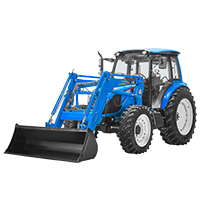
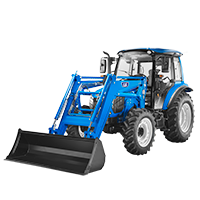
- Compact (General Range = 40-60 HP): Generally designed for properties over 10 acres with open fields and pastures and can handle significant ground engagement work and multiple heavy-duty applications. Perfect for heavier workloads like digging, brush cutting, snow blowing, crop work, and material handling. They tend to be more comfortable for longer workdays and offer more customization and advanced features options.
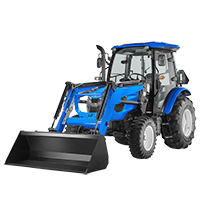
- Utility (General Range = 60-100+ HP): Built for serious farming – hay production, moving material, tillage, and heavy-duty fieldwork. These machines combine power with impressive versatility. A wide variety of attachments and implements can expand its capabilities.
The key is honesty: the best tractor isn’t always the biggest – it’s the one that fits your specific situation.
-
Climate Control: Cab vs. Open Station (ROPS)
Your operating environment plays a big role in comfort and safety.
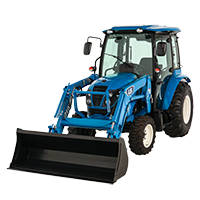
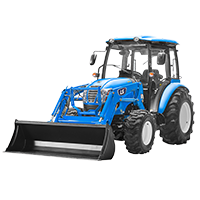
- Cab Tractors: Offer protection from weather, dust, and insects. With heat and air conditioning, they provide year-round comfort and reduce operator fatigue. Cab tractors are generally more expensive due to the additional features they provide.
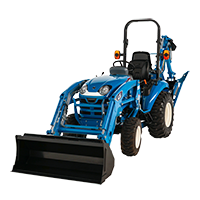
- ROPS (Roll-Over Protection Structure): An open-air tractor that is often more affordable and versatile, especially in tight spaces. Foldable designs allow access to low-clearance areas. These units allow you to reach things without getting out of the tractor and can help you see things better without the cab obstruction.
If you spend long hours in extreme weather, a cab is worth the investment. For flexibility and lower cost, an open station may be the better choice.
-
Engine Horsepower (HP)
Horsepower determines what your tractor can handle. This is important because it determines what work your tractor will be capable of, what attachments you can operate, and the ease with which your work will flow.
- 1-5 acres: 20-25 HP for mowing, light hauling and loader work, and a great inexpensive starter tractor
- 5-10 acres: 25-35 HP for mowing, loader work, and tilling
- 10-25 acres: 35-50 HP for heavier loader tasks, plowing and baling small hay fields
- 20-50 acres: 50-75 HP for hay production, medium tillage, and loader and backhoe work
- 50+ acres: 75+ HP for full-scale farming, heavy tillage and baling
Too little power leads to frustration. Too much means unnecessary cost and fuel use. Aim for the sweet spot – and consider future growth.
-
PTO Horsepower
Power Take-Off (PTO) horsepower is what runs your implements – mowers, tillers, balers and more.
Because PTO power is typically 10-20% lower than the engine HP, it’s critical to match your tractor’s PTO output with the requirements of your attachments. Proper alignment ensures better performance, less wear, and longer equipment life.
-
Lift Capacity
Lift capacity determines how much your tractor can safely handle with its loader or three-point hitch. When selecting a tractor, ensure the loader and 3-point lift capacity meets your needs.
- Greater capacity means handling heavier materials and implements
- Capacity decreases as the load moves higher or farther from the tractor
- Proper ballast improves safety and stability
Choosing a tractor with slightly more lift capacity than you currently need can pay off in the long run.
-
Hydraulic Performance
Hydraulics power many of your tractor’s most important functions including power steering, as well as the performance and efficiency of loader work.
- Higher flow rates (GPM) mean faster and stronger operation
- Critical for running hydraulic-driven implements
- Upgrades after purchase are expensive – plan ahead
Understanding your hydraulic needs now helps avoid limitations later.
-
Transmission Type
The transmission affects how your tractor feels and performs.
- Hydrostatic (HST): Easy, smooth operation – great for beginners and loader work and offers better speed control.
- Gear Drive: Cost-effective and efficient with a classic clutch and gear system. It may require more skill and practice, but offers greater control and maximum PTO performance.
- Power Shuttle: Clutch-free transmission engagement ideal for frequent direction changes like loader work.
Your choice should reflect your experience level and the type of work you do most often.
-
Tires and Traction
The right tires make a big difference in performance and surface impact. Always consider tread patterns and choose tires with the appropriate tread for your specific agricultural needs.
- R1 (Ag Tires): Best for field traction with large widely spaced lugs for maximizing traction on soil translating into better power delivery.
- R3 (Turf Tires): Wide tires with shallow treads and closely spaced lugs that protects lawns and finished surfaces
- R4 (Industrial Tires): A balanced option for mixed terrain offering better traction on hard surfaces with excellent wear performance.
- R14 (Hybrid Tires): Blends R1 and R4 characteristics allowing for more flexibility for a wide variety of applications.
Also consider radial vs bias construction. Radial tires are considered superior as they are more flexible, a smoother ride, and offer better traction and fuel efficiency. Bias tires are less expensive but are durable and tough for operating on rough terrain. Always verify the tire’s load capacity and keep proper inflation to maximize efficiency and longevity.
-
Implement Compatibility
A tractor’s value is greatly expanded by its attachments and implements.
Common attachments and implements include:
- Front-end loaders
- Rotary cutters
- Backhoes
- Mowers and tillers
Be certain to evaluate the different tasks in which you plan to utilize your tractor. Make sure the tractor you choose has the horsepower, PTO, hydraulics, and hitch system that will align with the tools you plan to use – both now and in the future.
-
Loader Lift Height
Lift height matters more than many buyers realize.
- Higher lift allows easier loading into trucks or stacking materials
- Greater height requires more ballast for stability
- Lifting is safest when loads stay low and close to the tractor
Understanding these limits helps you operate safely and efficiently.
Why Your Brand and Dealer Matter
Beyond specs and features, the brand you choose plays a major role in your long-term satisfaction. A trusted manufacturer like LS Tractor delivers a balance of performance, innovation, and value, backed by strong warranties and dependable support.
Equally important is your dealer. A knowledgeable dealer helps you:
- Select the right tractor model
- Match implements to your needs
- Maintain your equipment for peak performance
A reliable brand like LS Tractor and a trustworthy dealer can make a significant difference in the support you receive when deciding on a new tractor purchase.
Final Thoughts
Buying a tractor isn’t just a purchase – it’s an investment in your productivity, efficiency, and future success.
The right machine should:
- Match your land and workload
- Support your long-term goals
- Make your daily tasks easier and more efficient
When you carefully evaluate your options and choose a tractor that fits your operation, you’re setting yourself up for years of dependable performance and growth.
And with the right partner – like LS Tractor – you can move forward with confidence, knowing your equipment is built to work as hard as you do.
Published on April 6, 2026 and written by Kimberly Steele